
Church Marketing for Parishes and Congregations of Every Tradition
For Catholic, Orthodox, mainline, Baptist, evangelical, Pentecostal, Adventist, Restoration, historically Black, multisite and new congregations.
Ambrose Marketing builds the brand, website, local search presence, giving pages and seasonal campaigns that help a congregation welcome people who are looking for a place to worship. Every piece starts from the tradition it serves. A parish lists Mass and confession times and answers to a diocese. An Orthodox community keeps Pascha on its own date. An Adventist church gathers on Saturday morning for Sabbath School and worship.
This page explains the rules that apply to nearly every church in the United States: the IRS recognition Google asks for before Ad Grants, the receipt wording gifts of $250 or more need, the current state of the campaign prohibition, and how Google and Meta treat religion in advertising. Each tradition then has its own page for its buyers, calendar and constraints.

What our clients are saying…


SEE THE RESULTS
Why Churches Plan Marketing Around What Visitors Actually Look For
Most people still choose a church by showing up. In Lifeway's 2023 survey of Protestant churchgoers who have changed churches, those who actively searched most often visited in person (69%) or asked for recommendations (56%), while 37% used church websites (Lifeway). The website rarely makes the decision. It decides whether a first visit happens at all.
The same study asked people who found their current church through its website what helped most. Beliefs and mission came first at 67%, then location at 66% and worship times at 64% (Lifeway). Those three answers look different in every tradition: a weekend Mass schedule, a Sunday Divine Liturgy, a Saturday Sabbath School hour. That is why our approach to churches is organized by tradition rather than as one generic template.
Search tells a similar story. Over five years of Google Trends data, the plain phrase "church near me" dwarfs every denominational version, and its single highest week was February 15 to 21, 2026, the week of Ash Wednesday (Google Trends). Christmas and Holy Week weeks rise every year. Trends reports relative interest only, so you will not see a monthly search volume quoted anywhere on our pages.
Most congregations are small and run on volunteer hours. The FACT 2020 survey put median weekly attendance across US congregations at 65, and found that 90% of congregations have 250 or fewer worshipers (Baptist News Global). A plan that needs a full-time communications director will not survive the first pastoral transition, so we design for the team you actually have.
Ambrose is a woman-owned creative agency based in Naples, Florida, with an office in Manhattan, and we work with organizations across the United States. We have not yet served a church or faith-based client, and we would rather state that plainly than imply otherwise. Judge us on the plan we propose, on the brand and web work in our portfolio, and on how carefully we follow the rules described below.
Where Your Congregation Should Begin
Choose the outcome that matters most this year and the stage your church is in. You will see a suggested first step and the work that supports it, with a link to your tradition where it helps. There is nothing to sign up for.
What Shapes How People Choose a Church Today
These findings come from Lifeway Research, Pew Research Center and Google's own data. They explain why we plan church marketing the way we do and why no tradition gets a copied page.
The website supports the visit
In Lifeway's 2023 study of church switchers, 15% said they first found their current church through its website, and 71% decided to attend regularly after three or fewer visits (Lifeway). The site earns the first visit; the congregation earns the rest.
Generic searches dwarf denominational ones
Across five years of US data, "catholic church near me" averaged more than three times "baptist church near me", yet both are small next to "church near me" (Google Trends). Your Google listing has to win the generic search and then show your tradition clearly.
How Our Approach Changes by Tradition
Who approves the work, which days matter and what a page must never say all change from one tradition to the next. Each of these has its own page with the detail.
- Catholic parishesThe pastor decides with a finance council, and the diocese often owns the domain and approves accounts. Mass, confession and holy day schedules, parish boundaries and clustered parishes drive the site. See Catholic church marketing.
- Eastern Orthodox parishesOverlapping jurisdictions, metropolis regulations, Pascha on its own date, Christmas on December 25 or January 7 (News4JAX), and a parish festival that is often the largest public event of the year. See Orthodox church marketing.
- Methodist, Lutheran, Presbyterian, Reformed, Episcopal and AnglicanA church council, session or vestry approves the budget, some pastors are appointed rather than called, and the liturgical year sets the rhythm. Communion wording and post-split identities need care. See mainline church marketing.
- Baptist, evangelical and Pentecostal churchesEach congregation governs itself, so the buyer is the church, often by vote. Vacation Bible School, revivals and Assemblies of God congregations with strong Spanish-language ministries all live here. See Baptist and evangelical church marketing.
- Historically Black churchesNational Baptist, AME and COGIC congregations share a heritage but follow three different polities. Watch Night, Juneteenth and church anniversaries are central dates. See historically Black church marketing.
- Multisite churches and megachurchesCampus pages, a Google Business Profile for each location, an online campus and an in-house creative team that an agency supports rather than replaces. See multisite church marketing.
- Church plants, replants and house churchesLaunch dates, borrowed venues that change, sending-church and network rules, and home addresses that should not be published. See church plant marketing.
- Hispanic and Spanish-language congregationsSpanish-only, bilingual and separate-service churches across every tradition, with copy written by a native Spanish speaker rather than a translation tool. See Hispanic church marketing.



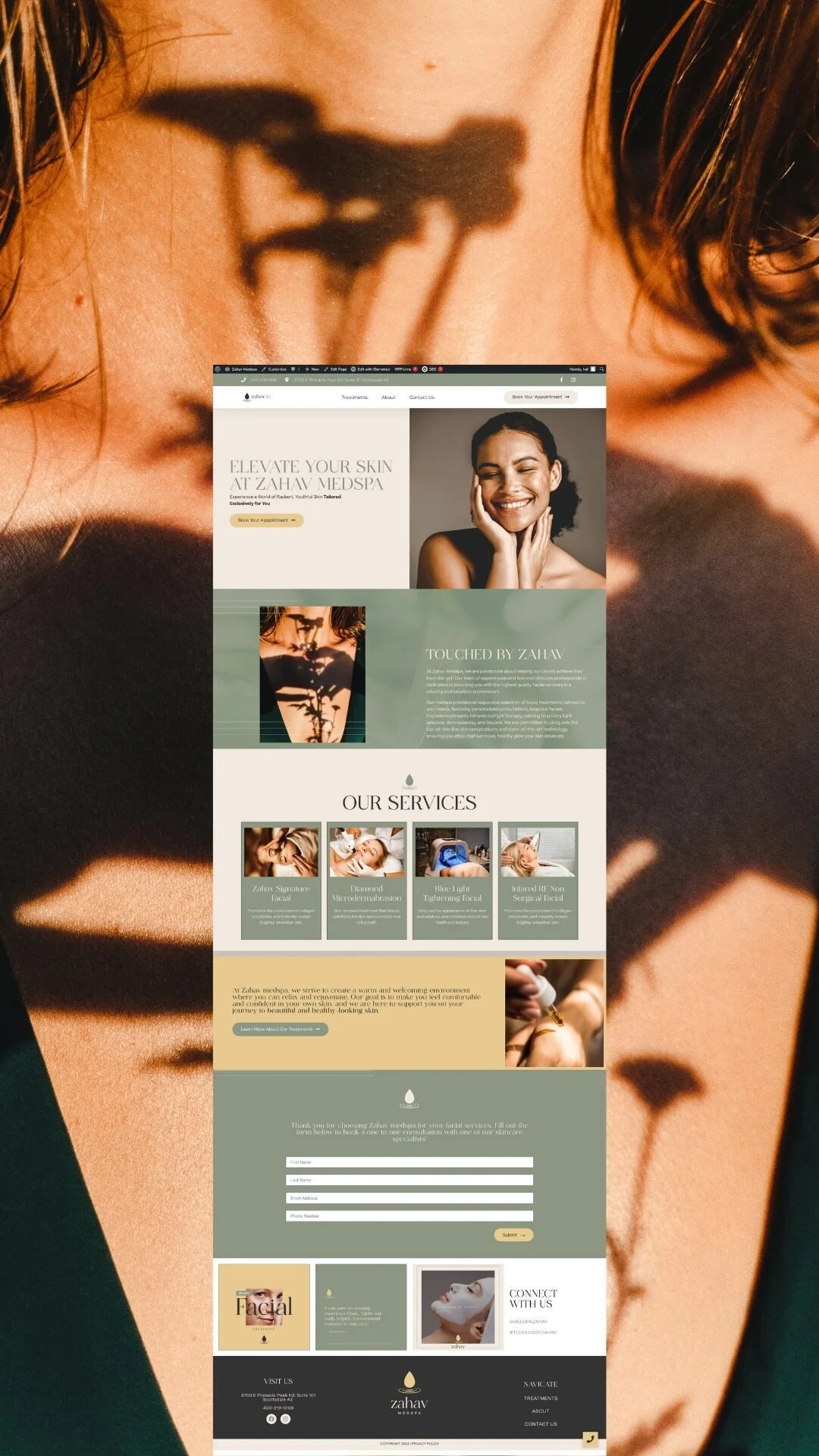

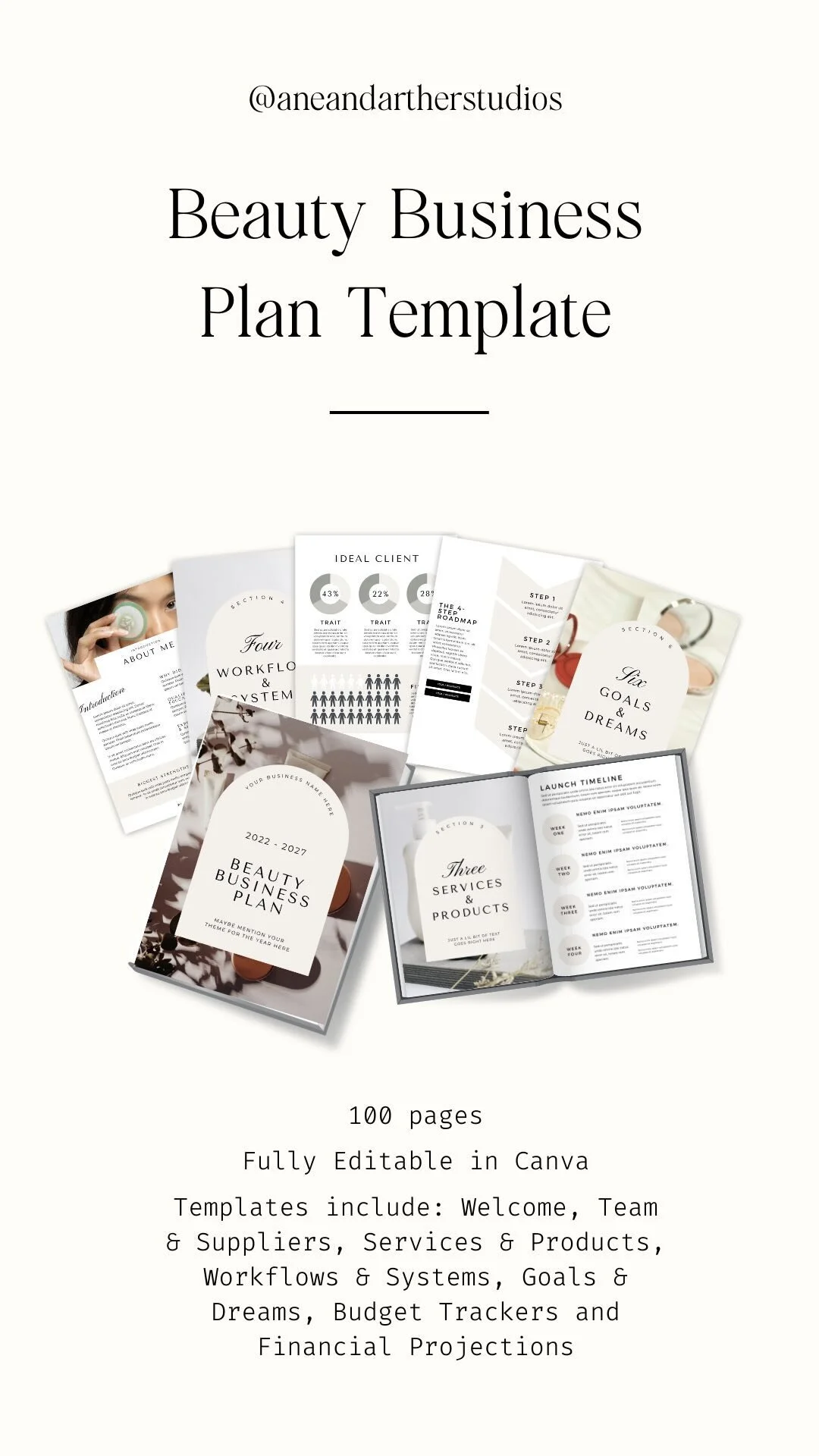
@ambrose.marketing
Marketing Services for Churches and Parishes
We combine these pieces around your tradition, your approval process and the hours your staff and volunteers really have, beginning with whatever stands between a curious neighbor and a first visit.
Identity for congregations
A name, mark and voice that reflect your tradition, work on a banner and a bulletin alike, and respect any denominational or diocesan logo rules. We document it so the next pastor or volunteer can keep it consistent.
Websites built around the first visit
Fast, accessible sites on a domain you control, with beliefs, location and worship times on the homepage, a plan-your-visit page, ministry pages and sermon archives that a volunteer can update without breaking the layout.
Local search and Google listings
Google Business Profile setup or cleanup, the right category for your tradition, accurate service hours and holiday schedules, and pages written around what nearby people search before Christmas, Holy Week or a move to town.
Giving pages that fit your current platform
Most churches already run Planning Center, Pushpay, Subsplash, Tithely, Breeze, Nucleus or Ekklesia 360. Planning Center, for example, lets Church Center giving and registration pages be embedded in or linked from an existing site (Planning Center). We design around the system you have rather than asking you to switch.
Email for members and newcomers
A welcome sequence for first-time guests, a weekly or monthly update members actually open, giving statements that arrive on time, and invitations for the seasons when visitors are most likely to come.
Seasonal and event campaigns
Christmas, Holy Week, Pascha, a parish festival, Vacation Bible School or a launch Sunday, each planned backward from its date with pages, printed invitations, social posts and follow-up for the people who come.
Ads inside the religion rules
Search and social campaigns that use location and predefined audiences instead of religious targeting, copy that never implies what a viewer believes, and Ad Grants preparation where your IRS paperwork allows it.
Livestream and sermon pages
A watch page that loads quickly, clear times for the next live service, sermon archives organized by series, and a simple next step for viewers who are ready to visit in person.

Meet Kali, creator, founder
and obsessed with all things branding.
AMBROSE ETHOS
Ambrose Marketing is a woman owned creative agency. We believe brands should grow and adapt over time, staying true to their core essence. Our designs go beyond visual appeal, delving deep into the heart of your brand to create something truly meaningful. We ensure that every element we craft resonates with your brand's unique story, allowing it to stay relevant and impactful through changing trends.
Tax, Giving and Advertising Rules Behind Church Marketing
Federal tax law, Google, Meta and some state statutes set limits that apply to nearly every congregation, and two traditions without their own page carry constraints strong enough to shape every campaign. This is general information, not legal advice.
Ad Grants needs IRS recognition, not just exemption
Google states that churches meeting section 501(c)(3) requirements are automatically considered tax exempt, yet to join Google for Nonprofits an organization must obtain recognition of 501(c)(3) status from the IRS (Google). In the US that means an IRS registration or a group exemption with proven affiliation, plus verification by Goodstack (Google). Many churches never requested a determination letter because they did not need one. The grant itself offers qualifying nonprofits up to $10,000 a month in search ads (Google), and Google expects houses of worship to target locally (Google).
Receipts must name intangible religious benefits
A donor needs a written acknowledgment to substantiate a contribution of $250 or more. It must give the church's name, the cash amount or a description of non-cash property, and whether any goods or services were provided; where the only return was religious, it should say the goods or services "consisted entirely of intangible religious benefits" (IRS). We check that wording in online giving receipts and year-end statements.
The campaign prohibition still applies in full
The IRS says 501(c)(3) organizations are absolutely prohibited from participating, directly or indirectly, in campaigns for or against candidates (IRS). A 2025 proposed consent judgment would have exempted a house of worship's faith-based messages to its own congregation, but on March 31, 2026 a federal court in Texas dismissed the case, so it never took effect (Thomson Reuters). On April 3, 2026, Treasury and the IRS announced plans to issue guidance for houses of worship (Treasury); as of October 20, 2026 we found none issued, and practitioners advise that current rules apply in full (Holtzman Vogel). Church sites and ads we build carry no candidate content.
Google and Meta limit religious targeting
Google lists religious beliefs as a sensitive interest category, so advertiser-curated audiences such as Customer Match cannot be used when promoting in it, while predefined Google audiences and location targeting remain available (Google). Meta began removing detailed targeting options tied to religious practices and groups on January 19, 2022, and existing campaigns could use them only until March 17, 2022 (Meta). Its ads may not assert or imply a person's religion; "Are you Christian?" is one of Meta's own examples of a violation (Meta).
Florida's solicitation act exempts religious institutions
Florida's Solicitation of Contributions Act does not apply to bona fide religious institutions, and the statute defines a religious institution to include a church, a denominational organization and religious groups without a fixed place of worship (F.S. 496.403 and 496.404). A separate ministry corporation may need a closer look. The federal receipt rules above apply either way.
Seventh-day Adventist: the Sabbath sets the calendar
Adventists keep the Sabbath from sunset Friday to sunset Saturday, and the Church Manual asks members to lay aside their secular matters and perform no unnecessary work during those hours (Church Manual). Calls to action say Saturday, not Sunday, and promotional posts, ad pushes and event sales should be scheduled outside Sabbath hours; confirm the local church board's preference. Pastors are appointed by the conference rather than elected by the congregation (Church Manual), so accounts and passwords must outlast any one pastor. The North American Division reports more than 5,800 churches and nearly 900 companies as of the third quarter of 2025, in a territory that includes Canada as well as the US (NAD).
Churches of Christ: a cappella and elder-led
Churches of Christ are best known for worship without instrumental music, so congregational singing is a cappella, and for a decentralized polity in which each congregation governs itself (ARDA). Pew notes the movement describes itself as undenominational, with no central headquarters and no organization above the elders of each congregation (Pew). In practice that means no bands or instruments in photography or video, no copy calling it a denomination, the elders as the approving body, and a check before building any Christmas or Easter campaign, since many congregations do not keep a liturgical calendar.
How the First 90 Days Unfold for a Congregation
We will not promise attendance, giving or rankings. We will deliver a written plan, careful work that your approving body has seen, and honest monthly reporting on the steps visitors take.
Days 1 to 15: learn the congregation
We meet the pastor and whoever approves the work, whether that is a council, vestry, session, elders or a diocesan office, and review your website, Google listing, giving flow, receipts, email list and denominational requirements.
Days 16 to 45: fix what a visitor sees first
Beliefs, location and worship times moved to the front, the Google listing corrected, the giving page and receipt wording checked, and simple tracking added so we can see which pages lead to a planned visit.
Days 46 to 75: prepare for the next season
A calendar built from your liturgical year or local rhythm, a welcome sequence for first-time guests, invitations for the next major service, and an Ad Grants application if your IRS paperwork qualifies.
Days 76 to 90: review together
Planned visits, giving page completions, email sign-ups and search visibility reviewed with your team, including what did not work, and priorities set for the following season.
What Does a Neighbor See When They Search for Your Church
Book a 15-minute call. We will look at your Google listing, homepage and giving page the way a first-time guest would, and tell you which missing beliefs, location or worship-time details might keep that person from walking through the door.
Book a free consultation4850 Tamiami Trl N, Ste 330, Naples, FL 34103 · (917) 513-7221 · Daily, 9:00 AM to 5:00 PM
Sources
- Lifeway Research, Church Switchers 2023: Factors in Choosing Current Church (2023). research.lifeway.com
- Google Trends, church near me, United States, past 5 years (accessed 2026). trends.google.com
- Baptist News Global, Largest-ever U.S. congregational survey (FACT 2020). baptistnews.com
- Google Trends, church near me vs catholic church near me vs baptist church near me, United States, past 5 years (accessed 2026). trends.google.com
- Pew Research Center, Religious Landscape Study executive summary (2025). www.pewresearch.org
- Pew Research Center, Religious Landscape Study full report (2025). www.pewresearch.org
- Pew Research Center, Americans' experiences with virtual religious services (2023). www.pewresearch.org
- News4JAX (Associated Press), Orthodox Christmas: Why it's celebrated by some believers 13 days after Dec. 25 (2024). www.news4jax.com
- Planning Center Help, Embed or link your Church Center pages. help.planningcenter.com
- Google for Nonprofits Help, Tax exempt organizations (United States). support.google.com
- Google for Nonprofits Help, Eligibility guidelines, United States. support.google.com
- Google Ad Grants, Free Google Ads for Nonprofits. www.google.com
- Google Ad Grants Help, Account management policy. support.google.com
- Internal Revenue Service, Charitable contributions: Written acknowledgments. www.irs.gov
- Internal Revenue Service, The restriction of political campaign intervention by section 501(c)(3) organizations (2026). www.irs.gov
- Thomson Reuters Tax, Court strikes down proposed settlement in Johnson Amendment case (2026). tax.thomsonreuters.com
- U.S. Department of the Treasury, Press release sb0432 (2026). home.treasury.gov
- Holtzman Vogel, Religious organizations and political activity: a 2026 election year guide (2026). www.holtzmanvogel.com
- Google Ads Policy Help, Personalized advertising. support.google.com
- Meta for Developers, Updating Meta's detailed targeting options (2021). developers.facebook.com
- Meta Transparency Center, Advertising standards: Privacy violations and personal attributes. transparency.meta.com
- The Florida Statutes, Chapter 496, Solicitation of Funds, ss. 496.403 and 496.404 (2026). www.leg.state.fl.us
- General Conference of Seventh-day Adventists, Church Manual (2025). gc.adventist.org
- North American Division, Secretary's report at the 2025 year-end meeting (2025). www.nadadventist.org
- Association of Religion Data Archives, Churches of Christ group profile. thearda.com
- Logos, Faithlife strategic direction moving forward (2023). www.logos.com
Church Marketing Questions, Answered
Can our church use Google Ad Grants without an IRS determination letter?
Usually not. Google acknowledges that churches are automatically tax exempt but still requires recognition of 501(c)(3) status from the IRS, or a group exemption with proven affiliation, before it will approve Google for Nonprofits (Google). If your denomination holds a group exemption, ask its office for your affiliation documents first. Otherwise, talk with your accountant about requesting a letter.
What should our year-end giving statement say?
For any single gift of $250 or more, the statement should name the church, list the cash amount or describe non-cash property, and state whether anything was given in return. When the only return was worship, prayer or other spiritual benefit, use the IRS phrase that the goods or services consisted entirely of intangible religious benefits (IRS).
Can a church website mention candidates or elections now?
Not for or against a candidate. The IRS prohibition on campaign intervention still applies to every 501(c)(3), including churches. The 2025 proposed consent judgment that would have relaxed it for communications to a congregation never took effect after the court dismissed the case on March 31, 2026 (Thomson Reuters). Treasury said on April 3, 2026 that guidance would follow (Treasury), and as of October 20, 2026 we found none issued.
Can we target people of our faith with Facebook or Instagram ads?
No. Meta removed religion-based detailed targeting in 2022 (Meta), and its ads cannot assert or imply what a viewer believes (Meta). What works instead is location targeting around your church, broad audiences, and creative that simply invites people to a specific service or event. Google applies a similar limit, treating religious belief as a sensitive interest category (Google).
Do we have to change our giving or church management platform?
No. We design around what you already use, whether that is Planning Center, Pushpay, Subsplash, Tithely, Breeze, Nucleus or Ekklesia 360. We only suggest a change when a tool is going away; Faithlife, for example, retired its church website, livestream and management tools on June 30, 2023 (Logos).
Does a church in Florida need to register before collecting donations online?
Florida's Solicitation of Contributions Act does not apply to bona fide religious institutions, a term the statute defines to include churches and denominational organizations (F.S. 496.403 and 496.404(25)). A related nonprofit that raises most of its money outside its own membership may not qualify. Confirm your situation with FDACS or counsel.
How do you plan campaigns for a Seventh-day Adventist church?
Around Saturday, not Sunday. Invitations, service-time listings and structured data use the Sabbath morning schedule, and we schedule promotional posts and ad pushes outside the hours from Friday sunset to Saturday sunset (Church Manual) unless your church board decides otherwise. Because the conference appoints pastors, we also keep logins and brand files with the church board rather than with one pastor.
What should a Church of Christ website avoid?
Photography or video with instruments or a band, wording that calls the congregation a denomination, and holiday campaigns the elders have not approved. Churches of Christ are known for worship without instrumental music (ARDA). Many Churches of Christ do not observe a liturgical calendar, so we ask before planning anything around Christmas or Easter. The elders, not a staff member, approve the final copy.
How much does church marketing cost with Ambrose?
Most of our clients invest roughly $1,200 to $4,000 a month in marketing, often across more than one channel; platforms, markets, ad spend and scope move the number. Website and branding projects are scoped and quoted in writing after a free consultation, so your council or board can review a fixed proposal before approving it.
Why does each tradition get its own page?
Because the details visitors rely on differ. Lifeway found that beliefs, location and worship times are the website content people find most helpful, and those read very differently for a parish Mass schedule, an Orthodox Divine Liturgy or an Adventist Sabbath School. The approving body, the calendar and the things a page must never say also change from one tradition to the next.
Have you worked with churches before?
Not yet. Ambrose has no church or faith-based client work, and we will not dress that up. We bring brand, website, search, email and event experience from other sectors, research into each tradition's governance and calendar, and close attention to the tax, giving and advertising rules set out on this page.
