
Marketing for Church Plants, Replants and House Churches
For church planters, launch teams, sending churches and house church leaders.
Ambrose Marketing helps new congregations get found before they have a building, a sign or much of a budget. We set up a name and identity that can outlast the founding pastor, a website that works from day one, listings that move when your venue moves, and invitations for preview services and launch Sunday.
A plant answers to people beyond its own walls: a sending church, a network, sometimes a denomination. We plan your marketing inside those expectations, and we treat the privacy of anyone who opens a home for worship as a fixed rule.

What our clients are saying…


SEE THE RESULTS
Why Church Plants Need a Different Marketing Plan
Planting is busy again. The Southern Baptist Send Network reported, by its own count, 699 new plants and 93 replants in 2025, its highest count of new plants since 2016 (Baptist Press).
A plant starts with nothing a guest can see. There is no building to drive past and often no permanent address; services meet in a school, a theater or a rented hall, and the venue may change more than once in the early years. Every move can strand an old map pin, a stale directory entry and a flyer with the wrong street on it.
Early impressions carry weight. In a Lifeway survey of Protestant churchgoers who had switched congregations, 71% decided to attend regularly after three or fewer visits (Lifeway Research). Launch Sunday, and the website people check before it, may be the few visits that count.
Money is short and the planter is stretched thin, usually preaching, recruiting a launch team and raising support at once. Marketing has to be simple enough for volunteers to keep running and careful enough not to depend on one person's face.
We are a woman-owned creative agency in Naples, Florida, with a Manhattan office, working with organizations across the United States. We have not yet served a church plant, a church or any faith-based client, so judge us on the launch plan we write and on our brand and web portfolio.
Where Your Church Plant Should Start
Pick the outcome that matters most right now and tell us where you are on the road to launch. You will see a suggested first step and the service that supports it.
What the Numbers Say About New Churches
These figures come from Baptist Press, the North American Mission Board, Acts 29, Christian Post and Lifeway Research. Several are self-reported, undated or drawn from small samples, and we label them that way.
Hundreds of new congregations a year
Counting affiliations and new campuses alongside plants and replants, the Send Network reported, by its own count, 951 new congregations in 2025 (Baptist Press). Each one needs a name, a site and a way to be found before it has a building of its own.
Networks screen planters closely
In 2016, NAMB reported that about half of the prospective planters it assessed passed Send Network assessment (Baptist Press), and Acts 29 says most successful planters have three to five years of ministry experience (Acts 29). Planters arrive with tested convictions, so marketing should express them rather than invent a persona.
House churches are hard to count
In a 2009 report based on surveys from the previous five years, Barna found that only 3% to 6% of American adults belonged to a house church under a strict definition, according to Christian Post (Christian Post). The figures are old and the range is wide; the privacy question it raises is not.
Some visitors watch before they come
In Lifeway's 2023 switcher study, 39% of people whose first contact was a streamed service watched more than five times before attending in person. That group numbered only 46 people (Lifeway Research), so read it as a signal rather than a rule.
Every New Church Starts Differently
The road to launch changes with the network, the meeting place and the people you hope to reach. Here is how our approach adjusts.
- Send Network plantsPlanted under a sending church that takes responsibility for the plant until it is self-governing and self-sustaining, led to agree with the Baptist Faith and Message 2000, and committed to cooperating with the SBC, including giving through the Cooperative Program (NAMB). Your beliefs page and giving page should reflect those commitments.
- Acts 29 churchesCommitted to the Lausanne Covenant, a Reformed view of salvation and complementarian leadership (Acts 29). Copy should state those convictions plainly so visitors arrive with accurate expectations.
- Independent and nondenominational plantsNo network name to lean on. The church name, the planter's calling and the first members' stories carry the message, so identity work matters most.
- ReplantsAn existing congregation with history, a building and sometimes a reputation to mend. The work balances honor for long-time members with a clear signal to the neighborhood that something new has begun.
- House churchesSmall gatherings in homes, often small by conviction. Discretion comes first: a page that explains the rhythm of a gathering, and an inquiry process that protects the host family.
- Campus launches from a parent churchSome new congregations begin life as a campus. If yours will, our multisite church marketing page covers campus structure and listings.



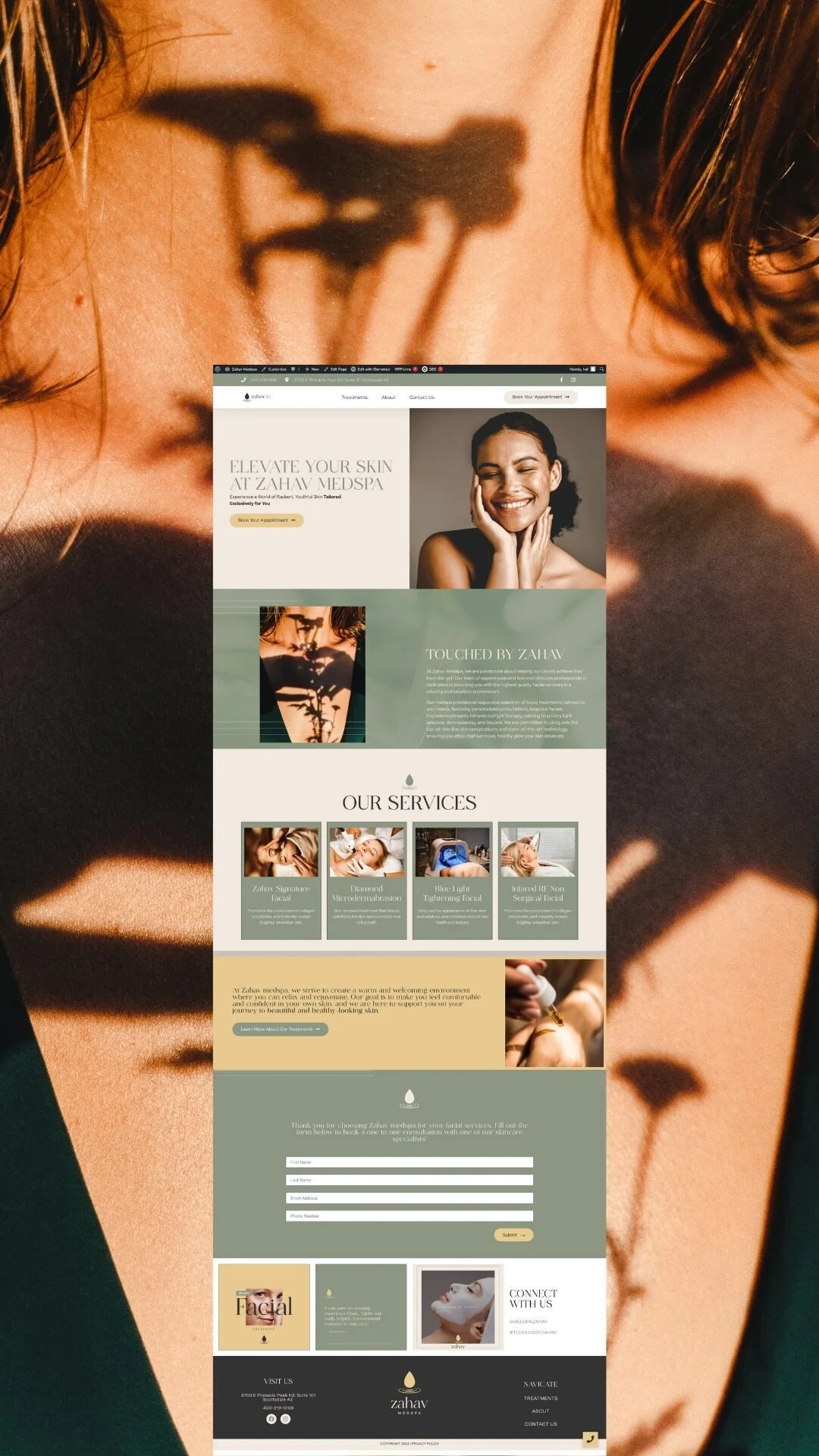


@ambrose.marketing
Marketing Services for New and Renewing Congregations
We size the work to a planter's budget and a volunteer team, beginning with what a guest needs in order to find you this month.
Church naming and identity
Name research, a logo that works on a sandwich board and a phone screen, and a short voice guide. The identity belongs to the congregation, so it survives a change in leadership.
Launch websites
A small, fast site with a plan-a-visit page, the current venue with entrance directions, what to expect for children, your beliefs, and the network or sending church named where that applies. Built so a volunteer can change the venue details in minutes.
Listings that follow the venue
A Business Profile once you hold a regular public meeting place that allows permanent signage with your name, consistent details across directories, and a written checklist for every future move so former addresses do not linger on maps.
Preview services and launch Sunday
Invitation cards, a launch page listing each preview gathering, reminder emails and texts sent only with consent, and personal follow-up for everyone who attends a preview.
Social media a small team can sustain
A realistic posting rhythm, templates volunteers can use, and stories from launch team members that show the church is a group of people, not one pastor.
Modest local ad tests
Small search and social budgets around launch Sunday and Easter, aimed at a tight radius around the venue. Ad platforms restrict targeting by religion, so we reach neighbors by place and interest instead; that rule and the other shared ones are on our church marketing agency page.
Replant reintroductions
A refreshed name or visual identity where the congregation wants one, an updated website and listing, and an open house plan that invites the neighborhood back inside.

Meet Kali, creator, founder
and obsessed with all things branding.
AMBROSE ETHOS
Ambrose Marketing is a woman owned creative agency. We believe brands should grow and adapt over time, staying true to their core essence. Our designs go beyond visual appeal, delving deep into the heart of your brand to create something truly meaningful. We ensure that every element we craft resonates with your brand's unique story, allowing it to stay relevant and impactful through changing trends.
Rules Every Church Plant Should Plan Around
New congregations face constraints that established churches rarely meet: network commitments, borrowed rooms and leaders who may move on. These are the ones we plan for. This is general information, not legal advice.
Honor the sending church and network
Send Network sending churches take responsibility for a plant until it is self-governing and self-sustaining, and NAMB offers coaching and mentoring through Church Planting Catalysts (NAMB). Launch materials should name that relationship where appropriate, and major brand decisions may need the sending church's input before they go public.
Keep home addresses off the public web
If you meet in a home, do not publish the street address on the website, social profiles or directories. Google tells service-area businesses to hide their address (Google), but that setting is meant for organizations that travel to the people they serve, so for most house churches the safer choice is no listing at all.
Treat every venue move as a data change
When the venue changes, the address changes in many places at once: website, Business Profile, directories, social bios, email footer and printed cards. We keep a checklist so no stale pin keeps sending guests to an empty school.
Do not build the brand around the planter
Register accounts, the domain and the email list to the church, with at least two administrators, and feature the launch team alongside the pastor. If the planter leaves, the congregation should not have to rebuild its online identity from scratch.
State convictions accurately
Acts 29 churches hold a Reformed view of salvation and complementarian leadership (Acts 29), and Send Network plants affirm the Baptist Faith and Message 2000 (NAMB). Visitors read beliefs pages before they come, so convictions should be stated plainly rather than softened for marketing.
Rented rooms come with conditions
Schools and theaters often restrict signage, photography and the hours you can enter. Check the venue agreement before printing yard signs or filming a promotional video on site.
Gather only the data you need
Interest forms should ask for a name and one way to reply. Collect consent before adding anyone to texts or email, and keep the list in the church's own account, not on a personal phone.
How the First 90 Days Work for a Plant
We will not promise a launch crowd. We will give you a plan, steady execution and honest reporting on who responded.
Days 1 to 15: learn the calling and the place
We talk with the planter and core team, read the network or sending church expectations, and review the name, domain, accounts and any existing listings.
Days 16 to 45: build the basics
Identity refined or created, the launch website live, accounts moved into the church's name, and a venue-move checklist written for the volunteers who will use it.
Days 46 to 75: invite the neighborhood
Preview services promoted, invitation cards printed, a welcome email series ready, and small local ad tests where the budget allows.
Days 76 to 90: learn from launch
Preview attendance, plan-a-visit forms, return visits and email replies reviewed with your team, with a plan for the next season, often Easter or the fall.
Could a Neighbor Find Your Church This Sunday
Book a 15-minute call. We will search for your church the way a neighbor would, from the map to the website to the venue door, and show you where that neighbor would give up.
Book a free consultation4850 Tamiami Trl N, Ste 330, Naples, FL 34103 · (917) 513-7221 · Daily, 9:00 AM to 5:00 PM
Sources
- Baptist Press, Church planting class of 2025 marks highest number of new plants since 2016 (2026). www.baptistpress.com
- Lifeway Research, Church Switchers 2023: Factors in Choosing Current Church (2023). research.lifeway.com
- Baptist Press, Potential church planters get enhanced screening (2016). www.baptistpress.com
- Acts 29, Frequently Asked Questions. www.acts29.com
- Christian Post, Few Americans attend house churches, survey reveals (2009). christianpost.com
- North American Mission Board, Send Network Sending Church Digital Resource Kit (2022; Internet Archive copy, February 2026). web.archive.org
- Acts 29, About. www.acts29.com
- Google Business Profile Help, Guidelines for representing your business on Google. support.google.com
Church Plant Marketing Questions, Answered
When should a church plant start marketing?
Before launch, but aimed at the right people. In the core team stage, your audience is future members and volunteers, so an interest page and a clear story are enough. Broad public promotion works best once you have a confirmed venue, a date and preview services to invite people to.
Should a plant without a building have a Google Business Profile?
Only once you meet at a regular public venue with consistent hours, and only if the venue allows permanent signage with the church's name. Google says businesses that show their address should maintain permanent fixed signage of their business name there (Google). A profile pinned to a school or theater helps nearby searchers, but it must move when you do. Before that point, a clear website and consistent details across directories are the better investment of a planter's limited time.
How do we protect a house church host's privacy?
Keep the address off every public surface. Describe the neighborhood and the day, ask people to reach out through a form or a church phone number, and share the location personally after a conversation. Skip a map listing unless you are certain it will not reveal the home.
What happens to our online presence if the planter leaves?
Nothing, if it was set up correctly. The domain, email platform, social accounts and listings should be registered to the church with at least two administrators. Brand the church rather than the planter, so a leadership change does not mean starting over with a new name and empty accounts.
Does our network expect anything on our website?
It depends on the network. Send Network plants affirm the Baptist Faith and Message 2000 and commit to missions giving (NAMB), while Acts 29 churches share stated convictions on theology and leadership (Acts 29). Ask your sending church or network for any affiliation wording it expects.
How do preview services fit into launch marketing?
Preview services let you test the room, the volunteers and the welcome before the public launch, and they give every invitation a concrete date. Everyone who attends should receive a personal follow-up and a clear invitation to launch Sunday, ideally from someone they met that day.
Are recorded sermons worth the effort for a new church?
Often, yes. Among a small group of 46 switchers whose first contact with their church was a stream, Lifeway found that 39% watched more than five times before visiting (Lifeway Research). A few recorded messages let a cautious newcomer hear the preaching before entering an unfamiliar venue.
How should we announce a venue change?
Email current attenders first, then update the website, listing, directories and social profiles on the same day, and post a notice at the old location if the venue allows it. Keep a short message on your homepage for a few weeks so returning visitors are not left standing outside the wrong building.
How is a replant different from a new plant?
A replant inherits a building, members and a reputation. Marketing has to honor the people who stayed while telling the neighborhood that something has changed, often through a refreshed identity, a rebuilt website and an open invitation to a specific Sunday or event.
What should a church plant budget for marketing?
Most of our clients invest roughly $1,200 to $4,000 a month in marketing, often across more than one channel; platforms, markets, ad spend and scope move the number. Many plants begin with a one-time identity and website project instead. Website and branding projects are scoped and quoted in writing after a free consultation.
Have you marketed a church plant before?
No, and we would rather tell you now than imply otherwise. Our experience is in brand identity, websites, local search, email and events for clients in other fields. For a plant, we pair that with close attention to network expectations, venue changes and host privacy as described on this page.
