
Nutrition & Wellness Marketing Agency: Scale Longevity Clinics, Wellness Centers & Personal Trainers Nationwide
Ambrose Marketing helps dietitians, nutritionists, health coaches, and wellness practitioners build brands people trust with something as personal as their health. We create the identity, website, content, and email programs that turn interest into booked sessions and long-term clients.
Our copy is careful with titles and claims, following Florida’s licensing law and federal advertising standards, so your credibility grows along with your audience.
Female-founded • Naples-based • Serving high-growth wellness brands across the United States

What our clients are saying…


SEE THE RESULTS
Why Nutrition & Wellness Brands Choose Ambrose Marketing in 2026?
Interest in nutrition is enormous. CDC survey data show that 57.6% of U.S. adults used a dietary supplement in the past 30 days, and nearly half of adults had tried to lose weight in the past year. The Bureau of Labor Statistics projects 8% growth for dietitians and nutritionists over the next decade, much faster than average.
That interest also means a flood of advice, much of it unqualified. People looking for real help want to know who you are, what training you have, how you work, and what working with you actually involves. Specific, honest answers stand out.
This field carries real rules. In Florida, titles such as dietitian, nutritionist, and nutrition counselor are protected by law, health claims need scientific support under FTC guidance, and client success stories must reflect what clients generally experience. We build every page and post around those standards.
We are a woman-owned team based in Naples, Florida, with an office in Manhattan, and we work with wellness practitioners in Southwest Florida and nationally.
What Should Your Wellness Brand Work On Next?
Pick one answer to each question and see a suggested first move. No email needed.
How People Look for Nutrition and Wellness Help
These figures from the CDC and BLS, along with federal advertising guidance and platform rules, frame how we market wellness practices.
Supplements are mainstream
57.6% of U.S. adults 20 and older used a dietary supplement in the past 30 days, including 63.8% of women and 50.8% of men, in CDC data from 2017 to 2018 (CDC NCHS).
Weight is a common goal
49.1% of U.S. adults tried to lose weight in the past 12 months, including 56.4% of women, in CDC data from 2013 to 2016 (CDC NCHS). Messaging has to be supportive and accurate, never shaming, and focused on sustainable habits rather than quick fixes or dramatic before-and-after promises.
The profession is expanding
BLS counted 86,300 dietitian and nutritionist jobs in 2025, with a median salary of $76,400, and projects 8% growth through 2035 (BLS). Competition for attention will keep rising, which rewards practitioners with a clear specialty and voice.
Ad platforms set their own limits
Meta requires weight loss and dietary product or service ads to target adults 18 and older, and bans statements of inferiority about appearance and promises of specific outcomes within a set time without qualifiers (Meta).
Different Practitioners, Different Paths
A registered dietitian, a health coach, and a yoga studio owner each reach clients differently. This is how we adjust.
- Registered and licensed dietitiansClinical credibility is the advantage. Highlight credentials, insurance participation if you accept it, and referral relationships with physicians, and explain medical nutrition therapy in terms patients understand.
- Health and wellness coachesCoaching is about accountability and change. Explain your method, what sessions look like, and your training, while staying clear of protected titles and medical claims.
- Functional and integrative practitionersThese clients research deeply. Evidence-based education, transparent pricing, and careful claims build trust where exaggeration would cost it.
- Studios and group programsSchedules, community, and convenience matter most. Clear class pages, easy booking, introductory offers stated plainly, and local partnerships fill rooms.
- Corporate wellness providersBuyers are HR leaders and benefits managers, not individuals. Case studies told with permission, clear program outlines, and proposals that explain participation and reporting win contracts.
- Digital programs and membershipsOnline offers live or die on the email list and the honesty of the sales page. Describe what members get, and present results responsibly.
Marketing Services for Wellness Practitioners
We put together the mix below around your credentials, your audience, and the way you prefer to work with clients, whether one-on-one, in groups, or online.
Brand identity
A calm, distinctive identity, photography direction, and voice that feel grounded rather than generic, so your work is recognizable across every channel, from your website to your handouts and slides.
Websites that convert interest into sessions
Clear service and program pages, an accurate credentials section, transparent pricing, and booking that works smoothly on a phone. Intake forms collect only what you need before the first session.
Evidence-based content and SEO
Articles and resources on the topics your clients search, written in plain language and supported by reliable sources rather than trends. Each piece is reviewed by you before it goes live.
Email and program launches
Welcome sequences, newsletters, and launch campaigns that keep your community engaged between sessions and programs, with segments for clients, prospects, and referral partners.
Social media and short video
Education, recipes, and behind-the-scenes content that reflects your approach, with claims reviewed before anything is posted and a calendar that fits your actual schedule.
Local search for in-person practices
A complete Business Profile and service pages for the area you serve. Google notes that reviews and ratings can help a business stand out locally (Google).
Paid campaigns within health ad rules
Search and social campaigns built to meet Meta’s and Google’s health policies, with landing pages that make no unsupported promises and tracking that respects client privacy.
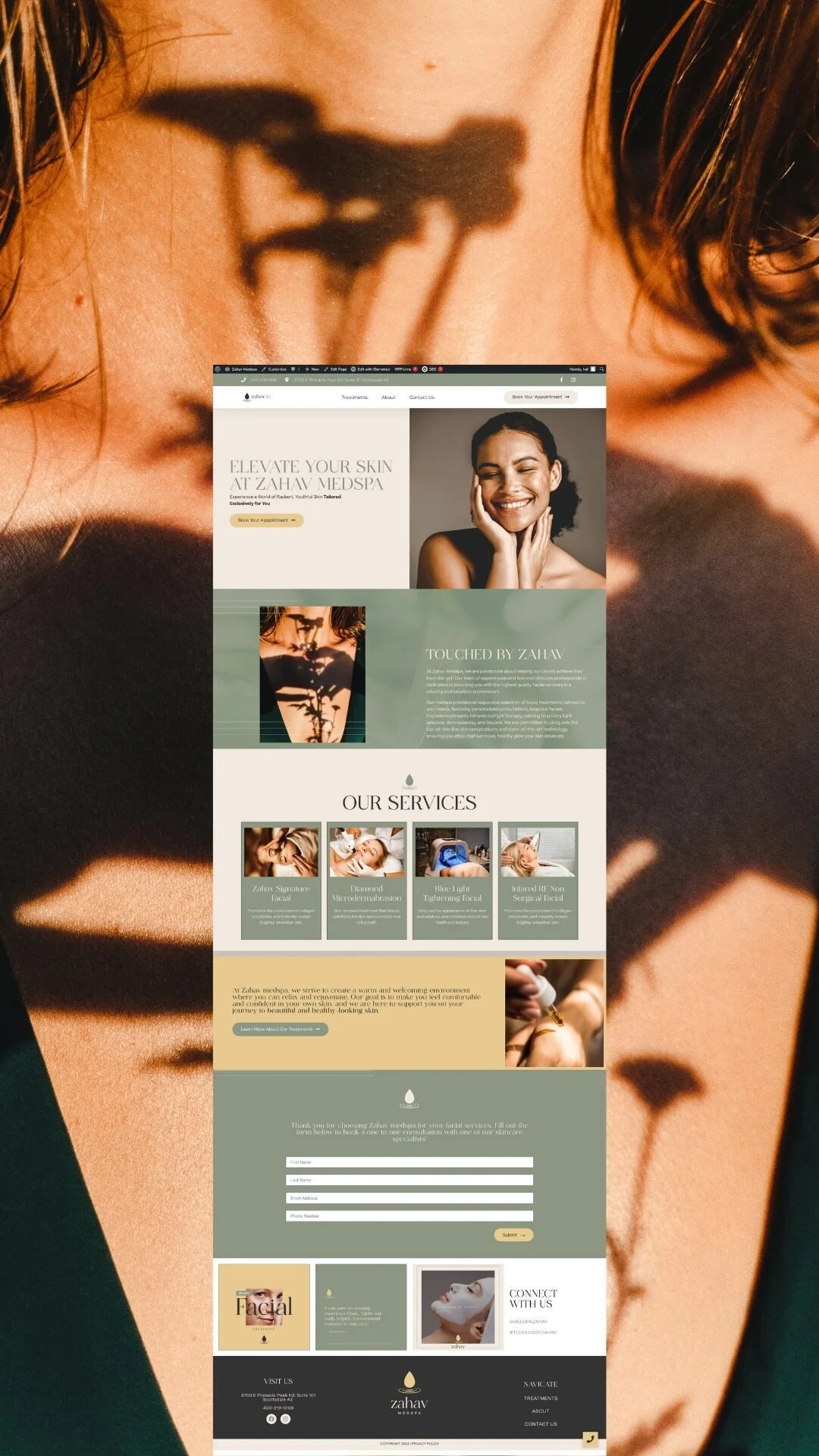
See our brand and website work for Annie Bachman Wellness, a functional nutrition and wellness practice.


@ambrose.marketing

Meet Kali, creator, founder
and obsessed with all things branding.
AMBROSE ETHOS
Ambrose Marketing is a woman owned creative agency. We believe brands should grow and adapt over time, staying true to their core essence. Our designs go beyond visual appeal, delving deep into the heart of your brand to create something truly meaningful. We ensure that every element we craft resonates with your brand's unique story, allowing it to stay relevant and impactful through changing trends.
What Happens in the First 90 Days
We will not promise follower counts or client numbers. We commit to a clear plan, careful work, and reporting you can trust.
Days 1 to 15: discovery
Conversations about your clients and offers, then a review of your website, profiles, content, and credentials language.
Days 16 to 45: foundation
Brand refinements, service and program pages, accurate credential wording, booking setup, and a welcome email sequence.
Days 46 to 75: content and community
Evidence-based articles, social content, partnerships with referral sources, and an email newsletter rhythm.
Days 76 to 90: results and next steps
Bookings, inquiries, email growth, and search visibility reviewed together, with a plan for the following quarter.
Is Your Expertise Coming Through Online?
Book a 15-minute call. We will look at your website, social profiles, and booking flow through a new client’s eyes and tell you what we would improve first.
Book a free consultation4850 Tamiami Trl N, Ste 330, Naples, FL 34103 · (917) 513-7221 · Daily, 9:00 AM to 5:00 PM
Sources
- U.S. Bureau of Labor Statistics, Occupational Outlook Handbook: Dietitians and Nutritionists (2025 data). www.bls.gov
- CDC National Center for Health Statistics, Data Brief No. 399: Dietary Supplement Use Among Adults (2017 to 2018 data). www.cdc.gov
- CDC National Center for Health Statistics, Data Brief No. 313: Attempts to Lose Weight Among Adults (2013 to 2016 data). www.cdc.gov
- Florida Statutes, Section 468.503, Definitions (dietetics and nutrition practice). www.leg.state.fl.us
- Florida Statutes, Section 468.505, Exemptions; exceptions. www.leg.state.fl.us
- Florida Statutes, Section 468.517, Prohibitions; penalties. www.leg.state.fl.us
- Federal Trade Commission, Health Products Compliance Guidance (December 2022). www.ftc.gov
- Code of Federal Regulations, 16 CFR Part 255, Guides Concerning the Use of Endorsements and Testimonials in Advertising. www.ecfr.gov
- Federal Trade Commission, FTC’s Endorsement Guides: What People Are Asking. www.ftc.gov
- Federal Trade Commission, Consumer Reviews and Testimonials Rule: Questions and Answers. www.ftc.gov
- Meta Transparency Center, Advertising Standards: Health and Wellness. transparency.meta.com
- Google Business Profile Help, Tips to improve your local ranking on Google. support.google.com
The Rules Behind Wellness Marketing
Nutrition and wellness marketing sits between health law and consumer protection. These are the standards we apply. This is general information, not legal advice.
Use only the titles you hold
In Florida, no one may use the titles dietitian, licensed dietitian, nutritionist, licensed nutritionist, nutrition counselor, or licensed nutrition counselor, or any words or letters implying them, without a Florida license. A violation is a first-degree misdemeanor (section 468.517).
Know when general advice is exempt
Florida exempts people who provide general nutrition information and wellness recommendations, as long as they do not serve people under a physician’s care for a disease requiring nutrition intervention (other than weight loss) and do not claim a protected title (section 468.505).
Credentials can be shown accurately
Holders of credentials such as RD, RDN, CNS, and DACBN may use those designations (section 468.505), and Florida defines a licensed dietitian/nutritionist and a licensed nutrition counselor separately (section 468.503).
Back health claims with science
The FTC expects health claims to be supported by competent and reliable scientific evidence, generally including well-controlled human clinical studies (FTC).
Present client results responsibly
If testimonials describe results that are not typical, the ad should clearly disclose the generally expected results (16 CFR 255.2). The FTC says phrases like "results not typical" do not solve the problem on their own (FTC).
Weight programs and dietitian review
Florida’s exemptions also cover weight-control programs that have been reviewed by a licensed or registered dietitian (section 468.505). If you run a structured program, documenting that review can matter.
Follow platform health policies
Meta limits weight loss and dietary ads to adults 18 and older and bans close-ups pinching fat, statements of inferiority about appearance, and promises of specific outcomes in a set time without qualifiers (Meta).
Honest reviews
The FTC’s Consumer Reviews and Testimonials Rule, in effect since October 21, 2024, prohibits fake reviews and paying for positive ones (FTC).
Marketing for Nutritionists, Health Coaches & Wellness Practitioners
You change lives through intentional care. We help you reach the people who need you most. At Ambrose Marketing, we specialize in brand strategy and digital marketing for wellness professionals, from holistic nutritionists and health coaches to integrative practitioners and small wellness studios.
What We Offer:
Website Design for Wellness Brands
Conversion-ready, mobile-first websites with built-in blog, service pages, booking integration, and client testimonials.
SEO for Health Coaches & Practitioners
We optimize your content and structure to help you rank locally and connect with high-intent searchers.
Email Marketing & List Growth Strategy
From opt-ins and lead magnets to educational sequences and client onboarding flows.
Social Media Content & Strategy
We plan and create content that educates, empowers, and positions you as a go-to expert in your field.
Visual Branding & Messaging
A cohesive brand identity that reflects the peace, trust, and empowerment you provide in your client experience.
Supporting Wellness Professionals In:
Manhattan, NY Wellness Marketing
Charleston, SC Nutritionist SEO
Naples, FL Health Coach Branding
Why Wellness Brands Choose Ambrose
Because you’re not just selling a service; you’re creating a lifestyle shift. We help you show up with purpose, clarity, and professionalism.
Let’s Grow Your Practice With Intention
Book a discovery call today to learn how we can support your next season of growth.
Wellness Marketing Questions, Answered Carefully
Can a health coach call themselves a nutritionist in Florida?
No, not without a Florida license. Florida protects the titles dietitian, nutritionist, and nutrition counselor, including their licensed versions and anything implying them (Florida Legislature). Coaches can describe their training and services accurately without using those titles.
Can I give nutrition advice without a license?
Florida exempts general nutrition information and wellness recommendations when the provider does not serve people under a physician’s care for a disease requiring nutrition intervention, other than weight loss, and does not claim a protected title (Florida Legislature). Rules differ by state, so we check before launching elsewhere.
How should I share client success stories?
Share real experiences with permission, and if they describe results most clients would not achieve, clearly disclose what clients generally experience (16 CFR 255.2). The FTC notes that "individual results may vary" alone is not enough (FTC).
Can I run Facebook and Instagram ads for a weight loss program?
Yes, within Meta’s rules. Ads must target adults 18 and older, cannot contain statements of inferiority about appearance or close-ups that pinch fat, and should not promise specific results within a set time without qualifiers (Meta).
What claims can I make about supplements or programs?
Only claims supported by competent and reliable scientific evidence. For health claims, the FTC generally expects randomized, controlled human clinical testing (FTC). We keep claims modest, specific, and sourced.
Is SEO worth it for a wellness practice?
Usually, yes. People search for help with specific concerns, such as gut health, blood sugar, or meal planning for families, and helpful, accurate pages answer those questions long after a social post disappears. For in-person practices, a complete Google Business Profile matters too.
Do I need an email list?
Yes. Social platforms change their rules and reach constantly, while your list is yours. A short welcome sequence and a regular newsletter keep people connected until they are ready to book or buy, and they give you a direct way to announce new programs or openings.
How should we talk about weight without alienating people?
Focus on health, energy, habits, and how clients feel, describe your approach rather than promising a number on a scale, and use images of real, diverse people. This tone respects your audience and also keeps you clear of platform rules against statements of inferiority about appearance.
Should I offer free discovery calls?
Many practitioners do, because a short conversation helps both sides decide whether the fit is right. State clearly what the call covers and how long it lasts, keep it to an honest conversation rather than a sales script, and make booking it as simple as booking a paid session.
How often should I post on social media?
Consistency matters more than volume. Two or three thoughtful posts a week that answer real client questions usually outperform daily posting that leaves no time for clients. We plan a calendar around your actual schedule and reuse your best articles and emails across channels.
Do you work with practitioners outside Florida?
Yes. We work from Naples and Manhattan with practitioners across the country. Licensing rules for dietetics and nutrition vary widely by state, so we review your state’s rules before writing credentials language.
