
Hospitality Marketing for Boutique Hotels, Inns and Vacation Rentals
Ambrose Marketing helps boutique hotels, resorts, inns, and vacation rental brands turn the feeling of a stay into a story guests want to book. We create the brand, website, booking experience, search presence, and content that bring more travelers directly to you.
Our work follows the FTC’s rule on total-price disclosure for lodging and the platforms’ own standards, so every rate you advertise builds trust instead of eroding it.
Marketing for Boutique Hotels & Luxury Hospitality Brands

What our clients are saying…


SEE THE RESULTS
Why Luxury Boutique Hotels & Hospitality Brands Choose Ambrose Marketing in 2026?
Florida is one of the most visited places in the world. VISIT FLORIDA estimates that the state welcomed 143.3 million visitors in 2025, including 130.9 million domestic travelers, 9.3 million overseas visitors, and 3.2 million Canadians, with statewide hotel occupancy of 68.1%.
That volume brings intense competition for every booking. Travelers compare properties across search engines, maps, online travel agencies, and social media, often deciding on mood and trust as much as on price. A property with a distinctive brand, beautiful photography, and a simple direct booking path wins more of those decisions, and keeps more of the revenue.
Pricing transparency now carries legal weight too. Since May 12, 2025, the FTC’s Rule on Unfair or Deceptive Fees has required lodging businesses to show the total price, including mandatory fees, more prominently than other pricing. Honest rate presentation is now both good marketing and a compliance requirement.
We pair hospitality-minded design with careful execution: room and experience pages that sell the stay, free booking links on Google, guest communication that earns repeat visits, and partnerships with the destinations around you.
Our woman-owned team works from Naples, Florida, and Manhattan, and we partner with independent hotels and hospitality brands in Southwest Florida, New York, and other travel markets.
Where Should Your Property Focus Its Marketing?
Answer two quick questions to see a recommended first step for your property. There is no form and no email required.
What Shapes How Guests Choose Where to Stay
These figures from VISIT FLORIDA and the BLS, along with FTC and Google guidance, frame how we market hospitality brands.
Florida draws enormous demand
VISIT FLORIDA estimates 143.3 million visitors in 2025, up 0.2% from 2024, with statewide hotel and motel occupancy of 68.1% (VISIT FLORIDA). Visitor spending supported 1.8 million jobs in 2024.
Total price must come first
The FTC’s fee rule requires short-term lodging businesses, including hotels, inns, and vacation rentals, to disclose the total price clearly and more prominently than other pricing information (16 CFR 464; FTC).
Google can send guests straight to you
Through Hotel Center, properties can appear in free booking links across Google at no cost (Google), putting your own website beside the online travel agencies.
Lodging management is a steady profession
BLS counted 54,800 lodging manager jobs in 2025, with a median salary of $69,250, and projects 4% growth through 2035 (BLS). Independent properties compete with large, professionally marketed brands for every guest, so a clear identity and direct relationships with past guests matter.
Different Properties, Different Guests
A boutique inn, a beach resort, and a vacation rental portfolio attract different travelers. This is how we tailor the approach.
- Boutique and independent hotelsCharacter is the advantage. Storytelling, design-forward photography, neighborhood guides, and a direct booking path that feels as personal as the stay itself, from the first photo to the confirmation email.
- Resorts and destination propertiesGuests plan around experiences. Dining, spa, recreation, and event content, organized by trip type and season, helps travelers picture the whole stay before they compare rates.
- Inns and bed and breakfastsHosts are part of the appeal. Warm introductions, guest stories shared with permission, and local partnerships help small properties compete with larger brands on warmth and personality.
- Vacation rentals and villasClear photos, accurate amenities, transparent total pricing, and fast responses decide bookings, especially for families and groups comparing several homes for the same dates.
- Restaurants, spas, and outletsOn-property dining and wellness venues attract locals as well as guests. Separate listings where they qualify, menus and treatment pages, and their own social presence build revenue beyond room nights.
- Hospitality with events and weddingsVenues inside hotels need separate pages, capacity details, and planner relationships, and they benefit from the same storytelling as the rooms.
Marketing Services for Hotels and Hospitality Brands
We build each plan from the services below, shaped by your property, your guests, your seasons, and the channels that already bring you the most valuable stays.
Brand identity and storytelling
A brand that captures the character of your property, from name treatment and palette to voice and photography direction, carried through every guest touchpoint, from the website to the key card sleeve.
Websites built for direct booking
Room, suite, dining, and experience pages, a booking engine that presents total prices clearly, and fast mobile performance for travelers planning on their phones, often late at night.
Search, maps, and Google Hotels
A complete hotel Business Profile (Google), destination and experience content that ranks, and free booking links through Google Hotel Center, connected to your booking engine.
Photography and video direction
Shot lists and styling for rooms, food, amenities, and the surrounding destination, so every channel shows your property at its best in every season and light.
Social media and creator partnerships
Content that shows the stay through guests’ eyes, plus creator and influencer collaborations with clear disclosure of complimentary stays or payment.
Guest email and loyalty
Pre-arrival messages, post-stay thank-you notes, anniversary offers, and seasonal newsletters that turn first-time guests into returning ones and give them a reason to book direct next time.
Paid campaigns with clear pricing
Search and social campaigns for need periods and packages, with landing pages and ads that show total prices in line with the FTC fee rule and tracking tied to actual bookings.
See our brand work for The Louise, a Northwoods-inspired brand built around warmth and escape.
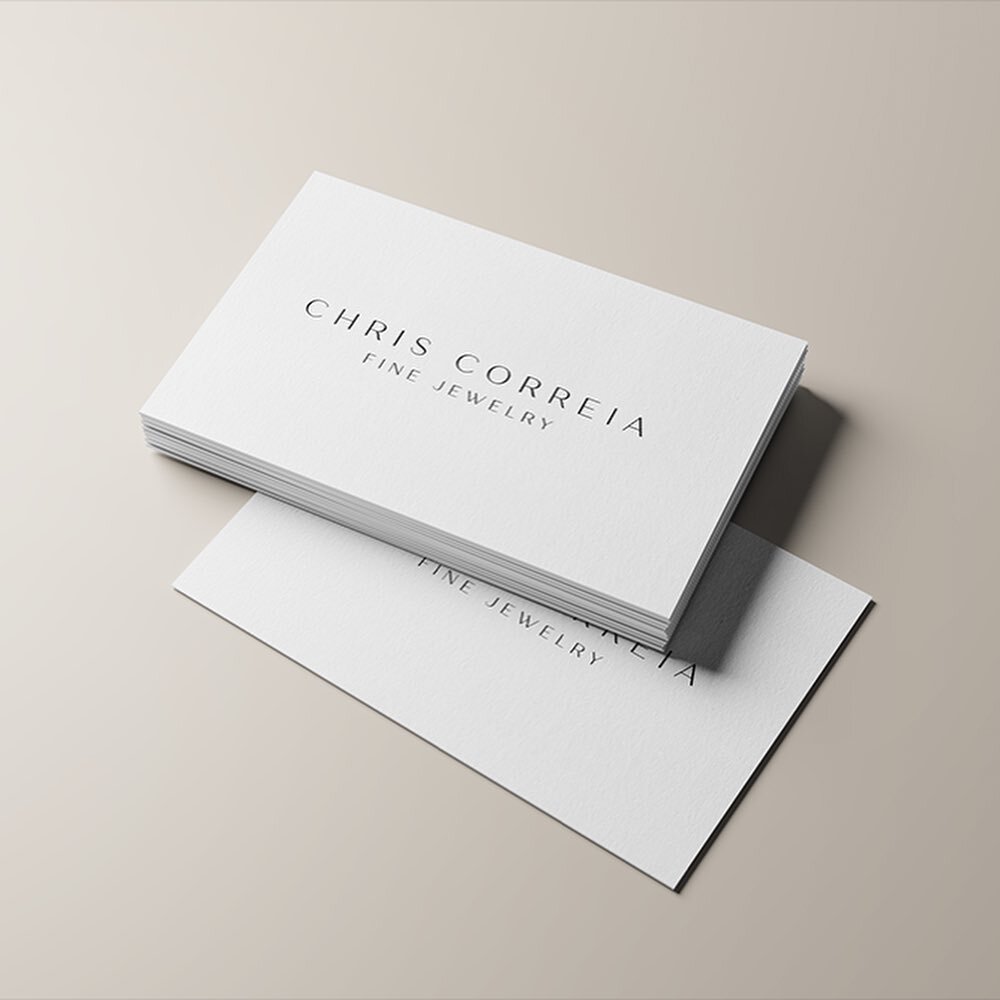


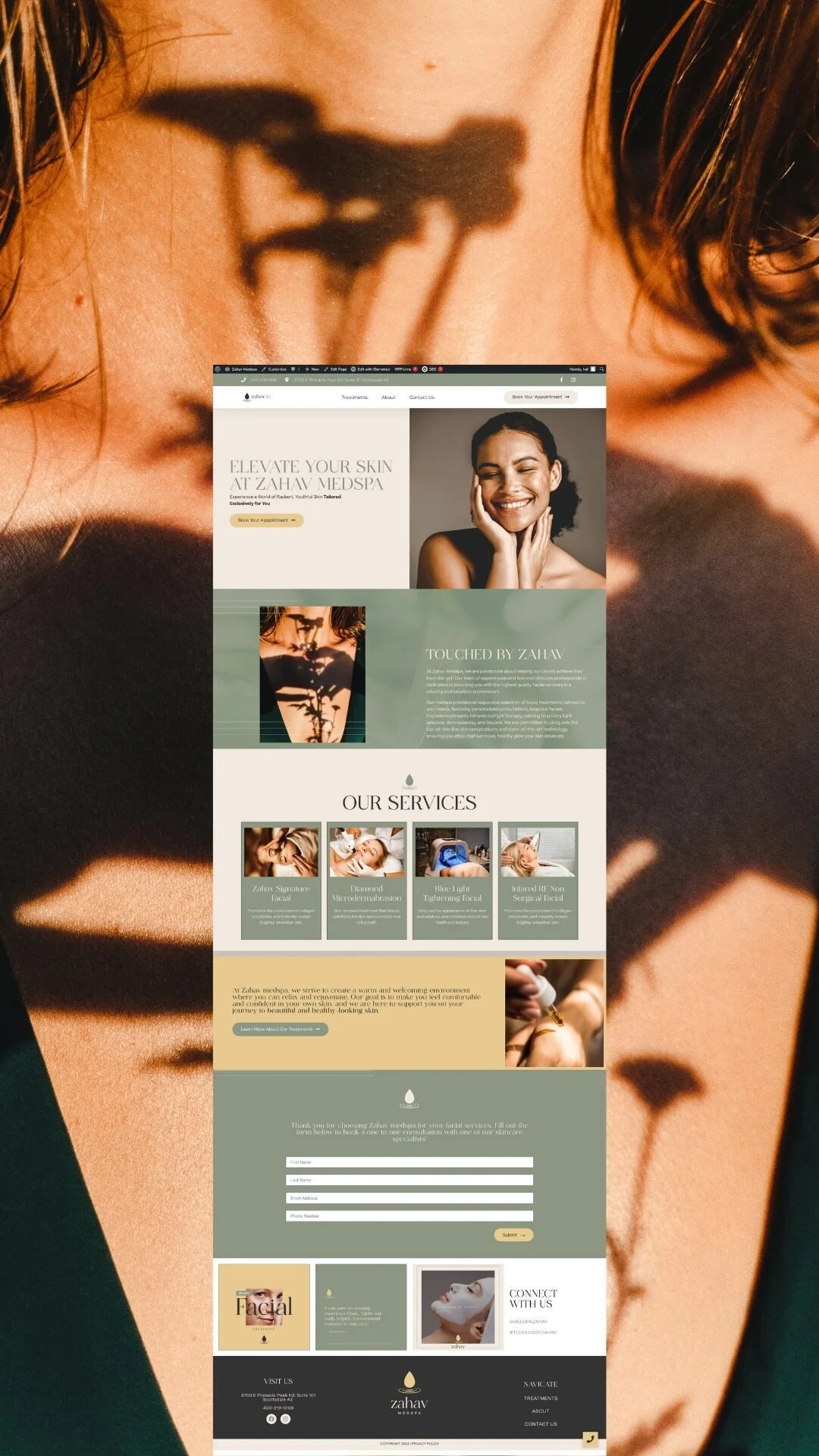
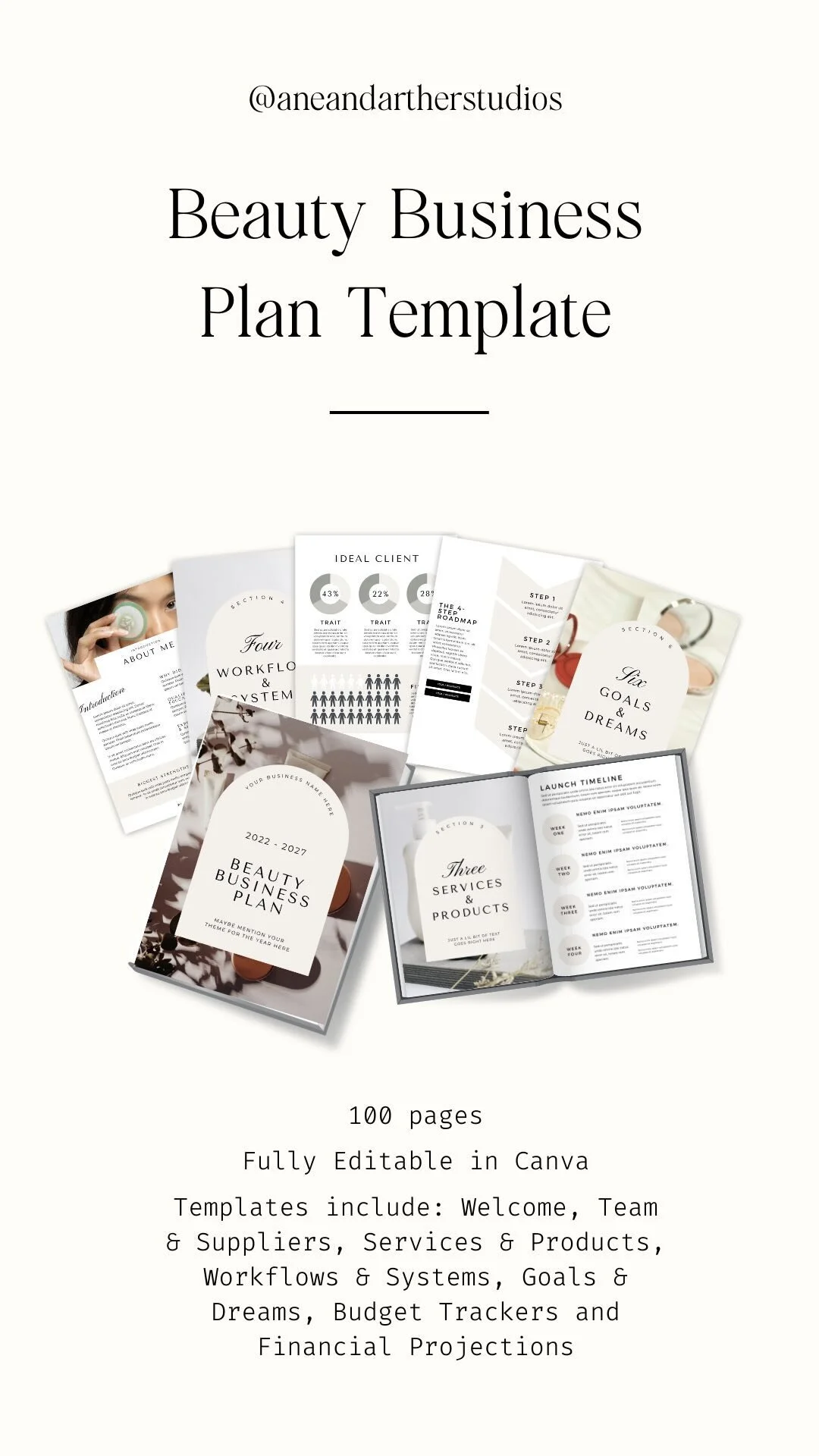
@ambrose.marketing
The Rules That Shape Hotel Marketing
Lodging marketing now sits under specific federal rules on fees, along with long-standing rules on reviews, endorsements, and platform listings. These are the standards we apply to every property we work with. This is general information, not legal advice.
Show the total price
Since May 12, 2025, the FTC’s Rule on Unfair or Deceptive Fees has prohibited bait-and-switch pricing and other tactics that obscure total prices and fees for short-term lodging (FTC).
Make it more prominent than other prices
The rule requires businesses to disclose the total price clearly and conspicuously, and more prominently than any other pricing information (16 CFR 464.2). Rate displays on your site and ads are designed around that requirement.
The rule covers more than hotels
Covered short-term lodging includes temporary sleeping accommodations at a hotel, motel, inn, short-term rental, or vacation rental (16 CFR 464.1).
Event tickets are covered too
The same rule applies to live-event tickets (16 CFR 464.1). Properties that sell tickets for concerts, galas, or holiday events should present those prices with the same total-price clarity as rooms.
Follow Google’s lodging guidelines
Google’s Business Profile guidelines list indoor lodging, such as hotels and motels, among businesses that should not provide hours (Google). We keep each listing within those rules.
Honest reviews only
The FTC prohibits fake reviews and incentives tied to positive sentiment (FTC). Post-stay review requests go to every guest, not only the happy ones, at a consistent point after checkout.
Disclose complimentary stays
When creators or influencers receive free stays, payment, or other benefits, the connection must be disclosed clearly and conspicuously in their content (16 CFR 255.5).
Licensing records are public
Florida’s Division of Hotels and Restaurants publishes lodging licensing and inspection records (Florida DBPR). Accurate business names and addresses across your marketing make those records easy for guests and partners to match.

Meet Kali, creator, founder
and obsessed with all things branding.
AMBROSE ETHOS
Ambrose Marketing is a woman owned creative agency. We believe brands should grow and adapt over time, staying true to their core essence. Our designs go beyond visual appeal, delving deep into the heart of your brand to create something truly meaningful. We ensure that every element we craft resonates with your brand's unique story, allowing it to stay relevant and impactful through changing trends.
The First 90 Days for Your Property
We will not promise a specific occupancy, and the FTC will not let anyone hide fees. You get a clear plan, beautiful work, and honest reporting on bookings.
Days 1 to 15: experience the property
We learn your guests, seasons, rates, and channels, then review your brand, website, booking path, listings, reviews, and rate displays.
Days 16 to 45: rebuild the direct path
Brand refinements, room and experience pages, total-price rate presentation, Business Profile and Hotel Center setup, and tracking for direct bookings.
Days 46 to 75: fill the calendar
Packages for need periods, guest email, social content, creator partnerships with proper disclosure, and targeted campaigns.
Days 76 to 90: review the season ahead
Direct bookings, channel mix, reviews, and visibility reviewed together, with the next quarter’s priorities set around your calendar.
How Does Your Property Look to a Traveler Comparing Options?
Book a 15-minute call. We will review your website, booking path, Google presence, and reviews the way a traveler would and point out the first improvements we would make.
Book a free consultation4850 Tamiami Trl N, Ste 330, Naples, FL 34103 · (917) 513-7221 · Daily, 9:00 AM to 5:00 PM
Sources
- Federal Trade Commission, Rule on Unfair or Deceptive Fees: Frequently Asked Questions. www.ftc.gov
- Code of Federal Regulations, 16 CFR Part 464, Rule on Unfair or Deceptive Fees. www.ecfr.gov
- VISIT FLORIDA, Research FAQ (2025 visitor estimates). www.visitflorida.org
- Google Hotel Center Help, About hotel free booking links. support.google.com
- Google Business Profile Help, Set up a Business Profile for a hotel. support.google.com
- Google Business Profile Help, Guidelines for representing your business on Google. support.google.com
- U.S. Bureau of Labor Statistics, Occupational Outlook Handbook: Lodging Managers (2025 data). www.bls.gov
- Florida Department of Business and Professional Regulation, Division of Hotels and Restaurants, Lodging Public Records. www2.myfloridalicense.com
- Federal Trade Commission, Consumer Reviews and Testimonials Rule: Questions and Answers. www.ftc.gov
- Code of Federal Regulations, 16 CFR Part 255, Guides Concerning the Use of Endorsements and Testimonials in Advertising. www.ecfr.gov
Marketing for Boutique Hotels & Luxury Hospitality Brands
At Ambrose Marketing, we help boutique hotels and hospitality brands craft digital experiences that reflect the magic of their spaces. Whether you're welcoming guests to a waterfront resort in Naples or a historic inn in Charleston, we build websites, content, and ad strategies that drive bookings, build brand loyalty, and elevate the guest experience from the very first click.
Hospitality Marketing Services:
Website Design for Hotels & Inns
Custom, mobile-first websites with booking integration, local SEO, and on-brand visuals that reflect your property’s personality.
Luxury Branding & Messaging
We define your voice, craft your identity, and position your hospitality brand to stand out in a saturated market.
Social Media & Content Strategy
From curated Instagram feeds to destination content that highlights your locale, we help tell your story visually and strategically.
Email Campaigns & Seasonal Promotions
Automated and campaign-based emails that keep guests coming back, and referring friends.
Paid Ads for Direct Bookings
We create Google and Meta ad campaigns that drive traffic away from third-party booking sites and into your own.
Serving Boutique Hospitality Clients In:
Manhattan, NY Hospitality Marketing
Charleston, SC Hospitality Marketing
Naples, FL Hospitality Marketing
Why Hospitality Brands Choose Ambrose
Because luxury isn’t just a look; it’s a feeling. We translate the unique experience of your property into an online presence that guests remember, trust, and book.
Let’s Make Every Touchpoint Feel Like Arrival
Book a discovery call to elevate your hotel’s digital experience.
Hospitality Marketing Questions, Answered
How can a boutique hotel get more direct bookings?
Give travelers a reason to book with you and make it easy: a beautiful, fast website, a booking engine that shows the total price up front, perks or packages available only on your site, and free booking links through Google Hotel Center so your own site appears in hotel search (Google).
What does the FTC fee rule mean for our rates?
Since May 12, 2025, businesses offering short-term lodging must disclose the total price, including mandatory fees, clearly and more prominently than other pricing information (16 CFR 464). Resort or destination fees cannot be hidden until checkout.
Does the rule apply to vacation rentals?
Yes. Covered short-term lodging includes hotels, motels, inns, short-term rentals, and vacation rentals (16 CFR 464.1). Rental managers should review how prices appear on their own websites and in ads.
Should our hotel list hours on Google?
Generally no. Google’s guidelines list indoor lodging, such as hotels and motels, among businesses that should not provide hours (Google). Hours for on-site restaurants or spas can be shown on their own listings if they qualify.
How should we work with influencers?
Choose creators whose audience matches your guests, agree on deliverables in writing, and require clear disclosure of complimentary stays or payment (16 CFR 255.5). A smaller creator with the right audience often outperforms a larger one.
How do we fill the slow season?
Package experiences, partner with local restaurants, attractions, and event organizers, and email past guests with offers timed to their interests. In Southwest Florida, quieter months can appeal to locals, Floridians on short getaways, and travelers who prefer fewer crowds.
Can we ask guests for reviews?
Yes, and you should ask every guest, not only those you expect to be happy. The FTC prohibits fake reviews and incentives conditioned on positive reviews (FTC). Reply to reviews thoughtfully; future guests read the replies.
Should we stop using online travel agencies?
Usually not. Online travel agencies bring visibility, especially for travelers who have never heard of you. The goal is balance: use them for discovery, then give guests strong reasons to book direct next time, such as better flexibility, packages, or perks, and stay in touch after their first stay.
How do we appear in Google hotel search results?
Start with an accurate hotel Business Profile (Google), then connect your booking engine to Google Hotel Center so your own website can appear in free booking links beside online travel agencies (Google). Strong photos and reviews help your listing stand out.
What makes a room page convert?
Large, honest photos, the room size and bed configuration, views, amenities, accessibility details, and the total price for the dates a guest selects. Short descriptions that capture the feeling of the room help, but guests mostly want to know exactly what they are booking.
Do you work with hotels outside Florida?
Yes. From Naples and Manhattan, we support independent hotels and hospitality brands in several travel markets, including The Louise, a Northwoods-inspired escape brand in northern Minnesota. Travel and lodging rules vary by location, so we confirm local requirements before launch.
