
Dental Practice Marketing: How to Fill Your Schedule With the Patients You Actually Want to See
Published May 20, 2026 · Last updated: May 20, 2026
How to Fill Your Schedule With the Patients You Actually Want to See
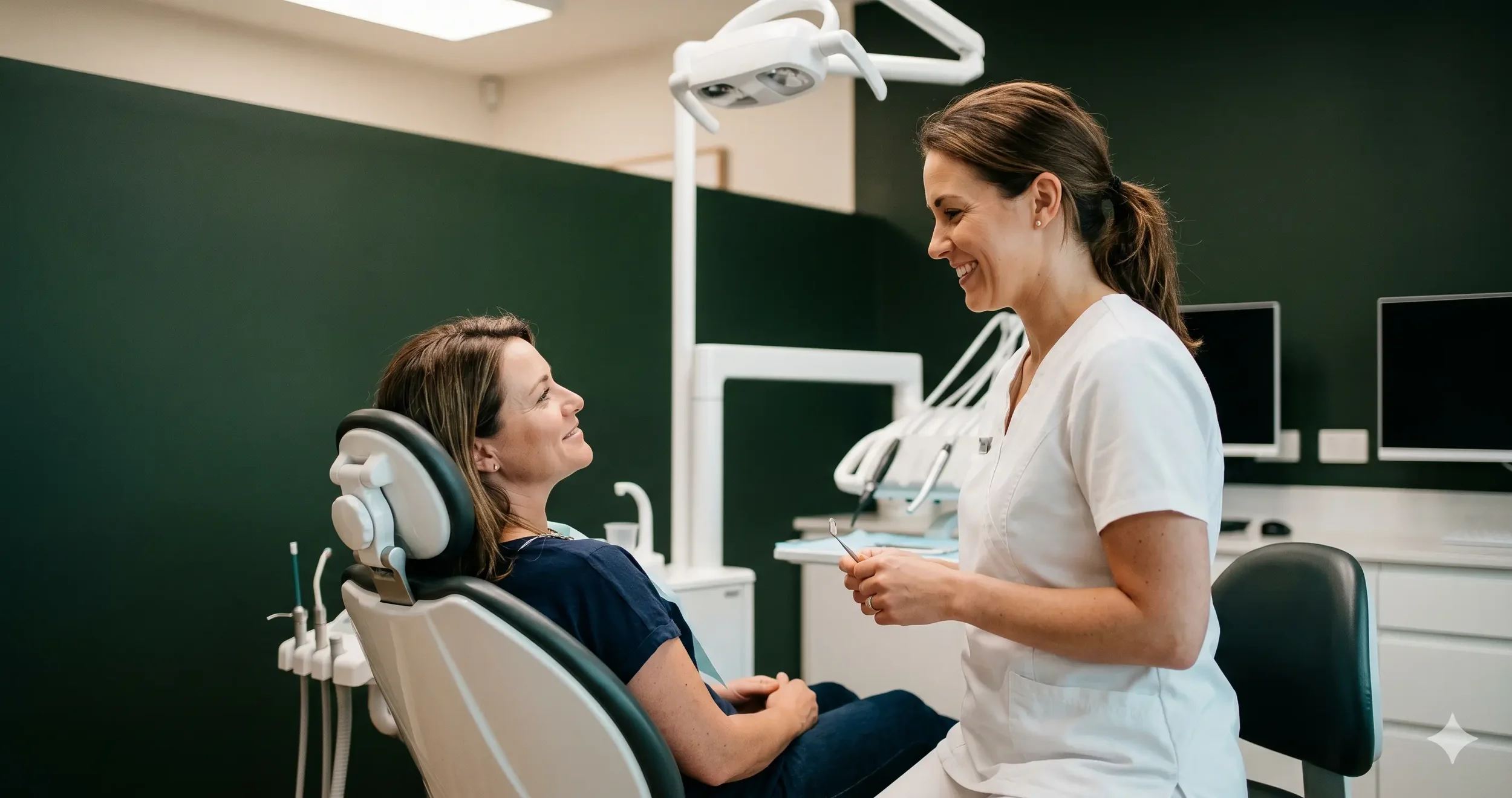
- The global cosmetic dentistry market crossed $31 billion in 2026. The global dental implant market reached $6.02 billion and is growing at 9% annually.[1] The patients who drive that growth are not walking through your door by accident.
- Patient acquisition costs for general dentistry run $150-$300. For implants and cosmetic cases, they run $400-$800.[2] Marketing the right patient is more profitable per dollar spent, not more expensive.
- There are three distinct dental patient profiles and most practices market to all three the same way. That is why their schedule is full of the wrong cases.
- 38% of dental searches happen in the Map Pack and the top three results capture 72% of all clicks.[3] Google Business Profile optimization is the single highest-ROI marketing asset most dental practices own and the most consistently underused.
- 84.3% of patients who have had prior cosmetic dental work are interested in further treatment, versus 47.7% of those who have had none.[1] Your existing patient base is the most underused source of high-value case growth in most practices.
Most dental practices have a full schedule. That is not the problem. The problem is that a full schedule of $200 hygiene appointments and basic restorations does not produce the same revenue or the same clinical satisfaction as a schedule that includes implant cases, cosmetic consultations, and full-arch reconstructions. Both schedules are full. The financial and professional outcomes are entirely different.
The marketing advice most dental practices receive does not address this distinction. It optimizes for volume: more new patients, lower cost per lead, higher click-through rates. Volume optimization fills schedules indiscriminately. It brings in the emergency patient who needs one extraction and never returns, the insurance-driven patient who books the minimum covered services, and the price-shopping cosmetic patient who books a consultation and then chooses the practice three blocks away that quoted $200 less for veneers.
Case mix marketing is a different approach entirely. Instead of asking "how do I get more patients," it asks "which patients create the practice I actually want to run, and what specific marketing signals attract exactly them." This guide covers the three dental patient profiles, the Case Mix Marketing model, and the specific channel and content decisions that shift a dental practice's incoming case mix without necessarily increasing the marketing budget.
The Three Dental Patient Profiles and Why Most Practices Market to All of Them the Same Way
Every dental patient who walks through your door can be categorized into one of three distinct profiles. These profiles have different motivations, different decision timelines, different price sensitivities, and fundamentally different relationships with their own dental care. Marketing that conflates them produces volume without selectivity. Marketing built around profile clarity produces the specific case mix you are trying to build.
This patient comes in because something hurts, something broke, or their insurance covers a preventive visit and they have not gone in a while. Their motivation is reactive. They are not thinking about their smile, their long-term dental health, or elective procedures. They want the immediate problem resolved at the lowest inconvenience and cost.
They are the volume backbone of most dental practices and necessary for a healthy revenue mix. But they require the highest acquisition and service cost relative to their per-visit value, and they are the most sensitive to insurance changes, pricing adjustments, and competitive alternatives.
This patient has already decided they want a specific treatment. They are researching implants, Invisalign, veneers, or teeth whitening. They have a defined outcome in mind and are evaluating providers who can deliver it. They are not loyal to a practice. They are loyal to a result. They will consult multiple providers, compare pricing, and choose based on a combination of clinical confidence and perceived value for the investment.
This is the patient most dental marketing optimization targets, and for good reason. Acquisition costs run $400-$800 but case values run $3,000 to $30,000.[2] The conversion challenge is that without a trust architecture to support the inquiry, these patients consult widely and convert narrowly.
This patient is choosing a long-term dental home for themselves and often their family. They value continuity, comprehensive care, and the confidence that comes from being known by their provider over years rather than being a new chart every visit. They are the highest-lifetime-value patient in any practice and the least price-sensitive once trust is established.
They are also the hardest to acquire through standard digital marketing. They do not search for "best dentist near me." They ask trusted people in their network, read reviews looking for evidence of long-term patient relationships, and respond to content that signals the kind of practice they want to belong to rather than transact with.
The Case Mix Marketing Model: Shifting Your Incoming Patient Profile Without Increasing Your Budget
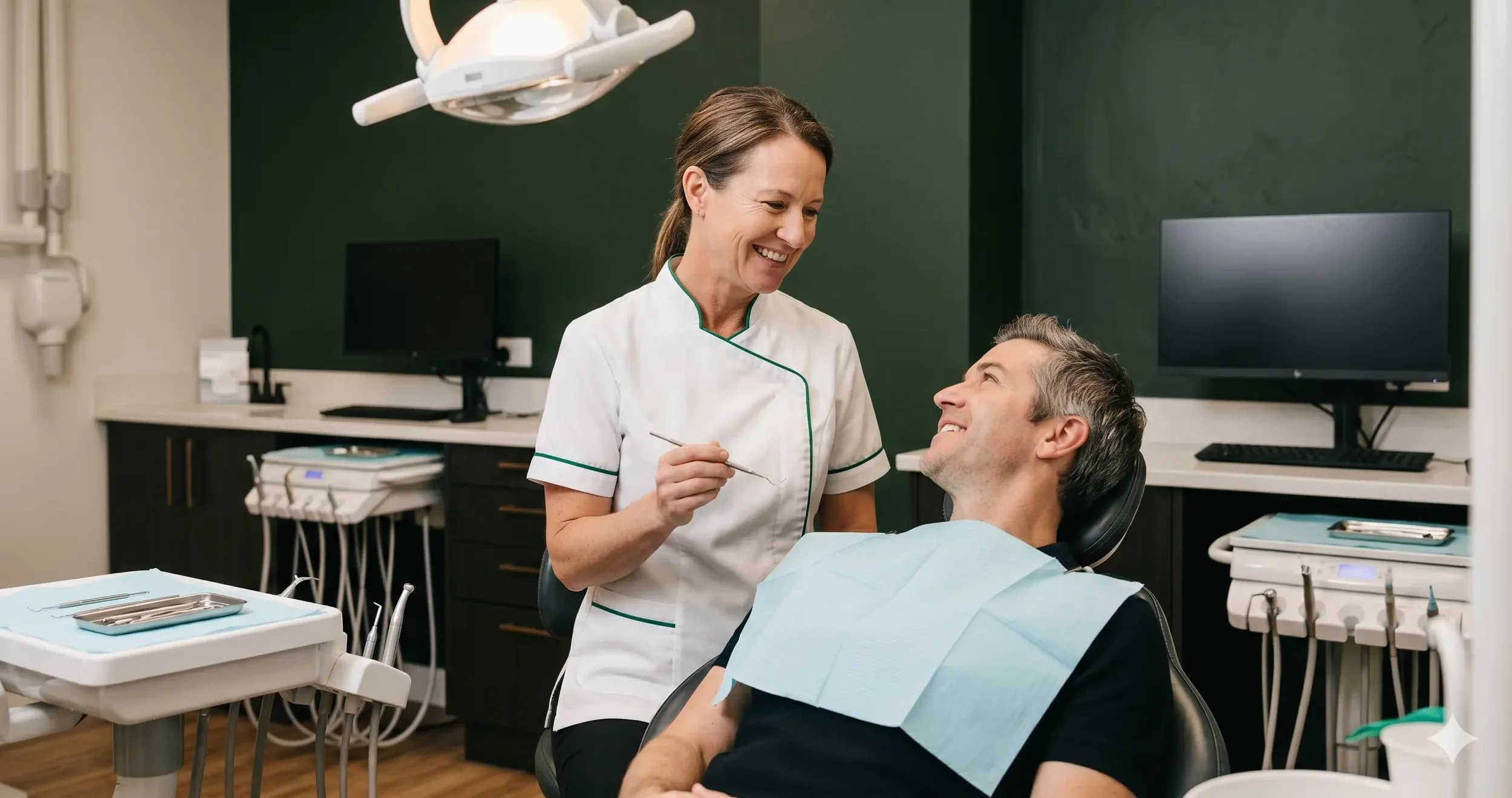
Case mix marketing starts with a single diagnostic question: what does your current case mix look like, and what does your target case mix look like? Most practice owners can answer the first half of that question with their practice management software. Very few have a specific answer to the second half. That lack of specificity is exactly why most dental marketing produces volume without the case type selectivity the owner actually wants.
Here is the framework in practice. A dental practice whose target is 30% high-value restorative and cosmetic cases, 40% relationship-driven comprehensive care patients, and 30% general preventive volume needs a different marketing mix than one whose target is 60% procedure-seeking implant and cosmetic cases with the remaining volume as general dentistry. Both are valid practice models. Neither should be running the same marketing strategy.
To shift toward Profile 2 (procedure-seeking): Invest in procedure-specific landing pages that answer the research questions a procedure-seeking patient has. Implant pages that address cost, timeline, candidacy, and financing directly. Invisalign pages that show real patient progressions and address the "how long does it actually take" question that every prospective aligner patient is researching. Before-and-after photography that makes the outcome visible before the consultation. Google Search ads targeting specific procedure queries rather than generic dental terms.
To shift toward Profile 3 (relationship-driven): Invest in brand identity and photography that makes your team and your environment visible and appealing. Content that communicates your values and your philosophy rather than just your procedures. Google reviews that contain language about long-term relationships ("been going here for 12 years"), family care, and provider continuity. A referral program that rewards existing loyal patients for introductions. The single most effective Profile 3 marketing channel is the patient who already loves your practice and tells someone. That channel is built through brand and patient experience, not through paid digital.
To optimize Profile 1 (needs-driven) without over-indexing: A fully optimized Google Business Profile with specific service categories, regular posts, and consistent review generation. Local SEO on your website core pages. Online booking with same-day availability visible. These channels are efficient for this profile and do not require the trust architecture that Profiles 2 and 3 demand.
The Marketing Channels That Actually Move the Case Mix Needle in 2026
38% of all dental searches happen in the Map Pack, and the top three results capture 72% of all clicks.[3] A fully optimized Google Business Profile drives more new patient calls than paid ads in most markets, at zero incremental media cost. Most practices select "Dentist" as their primary category and stop. Adding specific service categories: "Cosmetic Dentist," "Dental Implants Periodontist," "Invisalign Provider," which opens the practice to procedure-specific searches without any additional ad spend.
Generate reviews that mention specific procedures by name. After completing an implant case, the follow-up text that asks for a review can prompt the patient to mention the treatment: "If you are willing to share your experience, mentioning the type of treatment you had helps other patients find us." Service-specific language inside reviews is a meaningful local ranking signal.
Generic dental keywords ("dentist near me," "dental care") produce high volume and low selectivity. Procedure-specific keywords ("dental implant consultation," "Invisalign cost," "porcelain veneers") produce lower volume and significantly higher intent. The patient searching for "dental implant consultation" has already passed through the awareness and research phases. They are in decision mode. Google Ads average $7.85 per click for dental keywords, with optimized procedure-specific campaigns returning 300-500% ROI.[2]
The critical dependency: paid search for high-ticket procedures only converts efficiently when it lands on a dedicated procedure page that answers the research questions the patient has. A general homepage or a thin service page will not close a $6,000 implant case from a paid click.
The relationship-driven patient is choosing a dental home, not a procedure provider. They want to see the people they will be trusting before they commit to an appointment. Practices that invest in brand photography of their actual team, their actual environment, and their actual patient experience close Profile 3 patients at significantly higher rates than those relying on stock imagery and generic about pages.
This is the same trust architecture principle covered in the healthcare brand identity guide. Brand investment is not separate from marketing. For the highest-lifetime-value patient type in dentistry, it is the primary marketing channel.
The majority of practice owners have an existing patient base with dormant records and unaccepted treatment plans. 20-30% of dental patients delay recommended treatment.[6] A HIPAA-compliant reactivation sequence targeting patients with outstanding treatment recommendations produces a significantly higher conversion rate than cold acquisition because the trust relationship already exists. These patients have already been examined, diagnosed, and recommended treatment. The barrier to conversion is follow-through, not awareness or trust.
Ambrose Marketing builds acquisition strategies for dental practices that want to move their case mix, not just their appointment volume.
Book a Free Strategy Call →The Three Dental Marketing Mistakes That Keep the Schedule Full of the Wrong Cases

Optimizing for clicks instead of for case type. A high click-through rate on a generic "dentist near me" campaign tells you that people are clicking. It does not tell you what kind of patients are clicking, whether those patients are bringing the case types you want, or whether the cost per click is justified against the case value being acquired. The metric that matters is cost per booked case by case type, not cost per click or cost per lead in aggregate. Practices that do not track this distinction continue to optimize toward volume metrics that feel good and produce the wrong case mix.
Using the same brand for all three patient profiles simultaneously. A practice positioning itself aggressively in the cosmetic and implant procedure space through advertising is sending a strong signal to Profile 2 patients. It is simultaneously sending a signal to Profile 3 patients that this practice prioritizes procedures over relationships. Both signals cannot be optimized simultaneously through the same brand voice and channel mix. Practices that try to appeal equally to all three profiles with a single brand usually appeal strongly to none.
Ignoring the existing patient database as a case mix resource. 84.3% of patients who have had prior cosmetic dental work are interested in further treatment.[1] 20-30% of patients have outstanding recommended treatment they have not completed.[6] In a mature practice with two thousand active patient records, those two data points represent a significant untapped revenue pool that requires no new patient acquisition spend, only a systematic and compliant outreach process. The practices chasing new patients while leaving unaccepted treatment sitting dormant in their PMS are leaving the highest-margin revenue on the table while paying to replace it with lower-margin new patient acquisition.
Frequently Asked Questions About Dental Practice Marketing
References
- URBN Dental. Cosmetic Dentistry Statistics 2026. May 2026. urbndental.com/cosmetic-dentistry-statistics-2026/
- The Dental Signal. Dental Practice Marketing in 2026: What Actually Works (With ROI Data). April 2026. thedentalsignal.com
- Blogrator. Digital Marketing for Dentists in 2026: The Complete Growth Playbook. April 2026. blogrator.com/blog/digital-marketing-for-dentists
- Dentplicity (citing Grand View Research). Dental Implant Marketing: Attract High-Value Patients in 2026. February 2026. dentplicity.com/blog/dental-implant-marketing-strategies
- Opkie Research. The Independent Dental Practice in 2026. 2026. opkie.com/resources/reports/dental_practice_2026_report
- MVP Mailhouse (citing industry studies). Best Dental Implant Marketing Ideas for 2026. February 2026. mvpmailhouse.com/resources/blog/best-dental-implant-marketing-ideas-for-2026
Conclusion
A full schedule is not the same as the right schedule. Most dental practices already know this. They see the gap between the volume they have and the case mix they want, and they respond by increasing ad spend, trying a new platform, or hiring a marketing vendor who optimizes the same generic channels toward the same generic metrics.
The Case Mix Marketing model starts one step earlier. It identifies which of the three patient profiles you are trying to grow, and builds the specific channel, content, and brand decisions that attract exactly that profile rather than marketing to all three simultaneously and converting none of them decisively.
The highest-value patients in most dental practices are already inside the patient database, in the form of prior cosmetic patients who are statistically likely to want further treatment, and patients with outstanding recommended procedures who have never been systematically followed up with. Before any new acquisition channel is opened, that existing resource is worth auditing.
Ready to Build a Dental Marketing Strategy That Actually Shifts Your Case Mix?
Book a free 15-minute strategy session. We will look at your current patient mix, your target profile, and where your marketing is misaligned with the practice you are trying to build.
Book Your Free Strategy Call →The marketing strategies discussed in this post are for educational purposes. Results vary by practice, market, specialty, and execution. Patient communication and reactivation campaigns must comply with applicable HIPAA, CAN-SPAM, and TCPA regulations. This post does not constitute legal or regulatory advice.
